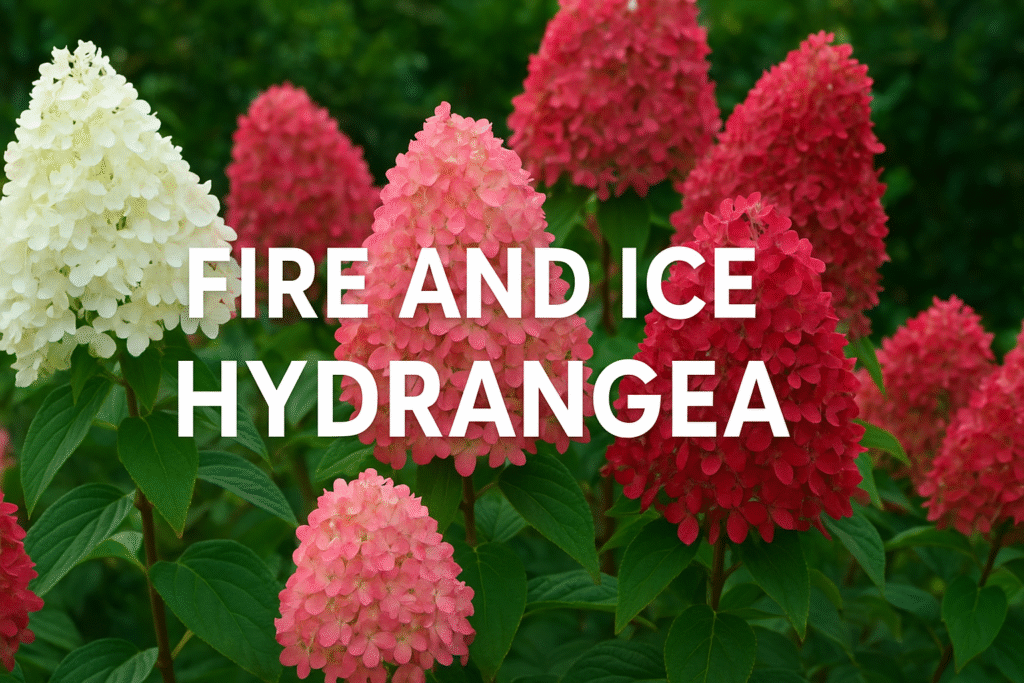

If you love hydrangea’s big, showy flower heads but want options that fit your climate, maintenance level, or design goals, this guide is for you. I’ve spent seasons testing borders, swapping thirsty hydrangeas for more resilient companions, and watching neighbors’ gardens bloom back bolder than before. Below you’ll find practical picks, care advice, and expert-backed tips for choosing the best plants similar to hydrangea that deliver eye-catching color with less fuss.
Why gardeners look for plants similar to hydrangea
Hydrangeas are beloved for their dramatic mophead and lacecap blooms, but they can be picky: moisture, soil pH for color, winter protection in colder zones, and the right light balance. Many gardeners look for alternatives that keep the same visual impact—rounded clusters, long-lasting show, and seasonal drama—without the same level of attention. Whether you want drought tolerance, earlier blooms, or a perfect match for full sun borders, there’s a plant that can give you the hydrangea vibe.
A quick note from growers: horticulturists often say, “If you match bloom structure and seasonality, you’ll capture the hydrangea feel without copying it exactly.” That’s the idea behind the selections below.
Top 10 plants similar to hydrangea (what they give you and how to grow them)
Below are ten tried-and-true options that echo hydrangea’s best qualities—clustered blooms, strong garden presence, and easy-to-read maintenance needs. For each plant I list what makes it similar, ideal planting conditions, and maintenance tips.
1. Viburnum (e.g., Viburnum plicatum)
Why it’s similar: Large, flat-topped clusters of white flowers give the same massed floral look as lacecap hydrangeas.
Light & soil: Best in part sun to full sun; tolerates a wide soil range.
Care tip: Prune lightly after flowering. Many viburnums are tolerant of urban conditions and need less water than big-hued hydrangeas.
2. Spiraea (Spirea)
Why it’s similar: Dense clusters of small flowers create a cloud-like bloom effect in spring to early summer—great for borders.
Light & soil: Full sun prefers well-drained soil.
Care tip: Deadhead for extended bloom and do formative pruning in late winter.
3. Weigela
Why it’s similar: Rounded shrub habit and abundant spring clusters create strong seasonal impact similar to hydrangea masses.
Light & soil: Full sun to light shade; adaptable soils.
Care tip: Prune older stems after flowering to encourage new growth and bigger blooms next year.
4. Deutzia
Why it’s similar: Profuse spring clusters of white or pink flowers that can read like small hydrangea heads from a distance.
Light & soil: Full sun to part shade; well-drained soil.
Care tip: Cut back after flowering to encourage a fresh flush next spring.
5. Philadelphus (Mock Orange)
Why it’s similar: Large, fragrant white flower clusters give volume and season-long interest—excellent as a focal shrub.
Light & soil: Full sun to part shade; average soil.
Care tip: Prune immediately after flowering to preserve next season’s blooms.
6. Fothergilla
Why it’s similar: White bottlebrush-like bloom clusters provide mass and late-spring drama; fall foliage is an added bonus.
Light & soil: Part shade to full sun; acidic, humusy soil preferred.
Care tip: Low-maintenance once established; mulch to keep roots cool and moist.
7. Lilac (Syringa)
Why it’s similar: Conical clusters of fragrant flowers create a strong, classic show—great for cottage and formal gardens.
Light & soil: Full sun; well-drained soil.
Care tip: Prune right after flowering to avoid cutting next year’s buds.
8. Camellia
Why it’s similar: Big, sculptural blooms provide the same single-shrub drama and long-season interest, especially in milder climates.
Light & soil: Part shade; acidic, well-drained soil.
Care tip: Protect from late freezes and provide consistent moisture during bloom set.
9. Astilbe (perennial)
Why it’s similar: While not a shrub, astilbe’s feathery plume clusters can mimic hydrangea’s mass in shady border beds.
Light & soil: Shade to part shade; consistently moist, organic soil.
Care tip: Excellent under trees or along streams—divide every few years to keep clumps vigorous.
10. Ceanothus (California lilac)
Why it’s similar: In suitable climates, this shrub produces dense blue flower clusters that give a hydrangea-like blanket of color.
Light & soil: Full sun; prefers well-drained, lean soils.
Care tip: Drought-tolerant once established; prune lightly after flowering to shape.
How to choose the right plant similar to hydrangea for your garden
Picking the best match isn’t only about looks—think about microclimate, soil, and the gardener’s time budget.
-
Light match: If your site is shady, choose astilbe, camellia, or viburnum species that tolerate shade. For sunny borders, spirea, lilac, and weigela shine.
-
Soil and moisture: Hydrangeas like consistently moist, rich soil; if you want to reduce irrigation, choose viburnum, spirea, or ceanothus in the right climate.
-
Size & form: Pick a shrub height and spread that fits your border—spirea for low edging, viburnum or mock orange for mid-border structure.
-
Bloom timing: Mix early and late bloomers so you get long seasonal impact rather than a single window of drama.
Planting and care cheat sheet (expert tips)
-
Prep the soil: Amend with compost for improved structure and nutrient retention—especially if you want big blooms.
-
Mulch deeply: A 2–4 inch organic mulch keeps roots cool and moisture even, which is crucial for big flower displays.
-
Water smartly: New plantings need regular watering; many alternatives require less frequent watering than thirsty hydrangea types once established.
-
Prune correctly: Learn the bloom habit (flowers on old wood vs. new wood) before pruning—this controls next year’s flowers.
-
Feed sparingly: A balanced slow-release fertilizer in spring usually suffices; avoid heavy nitrogen that promotes leaf at the expense of blooms.
-
Match plant to zone: Know your USDA or local hardiness zone and pick varieties rated for it.
Real-life example
A suburban front border I worked on replaced three mophead hydrangeas that were struggling in afternoon sun with a mixed trio: Viburnum plicatum (a striking white bloom), Weigela for spring color, and Astilbe in the shady understory. The result: the border kept the “big bloom” silhouette but with vastly reduced watering and a longer run of seasonal interest. Neighbors asked for a plant list within weeks—that’s how quickly well-chosen alternatives win hearts.
Counterarguments and limitations
-
Not a perfect copy: If you want the unique pH-driven blue-to-pink color change of certain hydrangeas, few substitutes will match that exact trait.
-
Scent vs. show: Lilacs and mock orange bring fragrance that hydrangeas don’t—this may be a feature or a mismatch depending on your goal.
-
Regional constraints: Some alternatives (like camellia or ceanothus) are region-specific; always confirm regional suitability.
Quick picks — top choices by need
-
Best for shade: Camellia, Astilbe, Viburnum (shade-tolerant varieties)
-
Best for low maintenance: Spirea, Viburnum, Fothergilla
-
Best for full sun and drama: Lilac, Weigela, Ceanothus
Final thoughts
Hydrangeas have a unique charm, but gardeners don’t have to be limited by one genus to achieve dramatic, bloom-heavy borders. By choosing plants similar to hydrangea—that match the bloom structure, color intensity, and seasonal timing—you can create a low-fuss garden that wows year after year. Start with one test swap, observe how it behaves in your soil and light, and expand from what performs best. Your garden will keep the soul of the hydrangea while gaining resilience and variety.
FAQs — Plants Similar to Hydrangea
Q1: What are the easiest plants similar to hydrangea for beginners?
A: Spirea and viburnum are excellent beginner-friendly options—tolerant, forgiving, and quick to fill a border.
Q2: Can I get blue flowers from plants similar to hydrangea?
A: Most alternatives don’t change color with soil pH like some hydrangeas. If blue is essential, consider ceanothus (if it suits your climate) or continue with acid-loving hydrangea varieties.
Q3: Which plant similar to hydrangea performs best in full sun?
A: Spirea, weigela, and lilac thrive in full sun and reward you with abundant blooms.
Q4: Are any of these alternatives drought tolerant?
A: Yes—once established, viburnum (some species), spirea, and ceanothus can tolerate drier conditions compared to classic hydrangeas.
Q5: How do I recreate a hydrangea-like border without hydrangeas?
A: Use a combination: a structural mid-height shrub (viburnum), a spring color provider (weigela or lilac), and a shade-loving ground-level filler (astilbe) for layered, hydrangea-like drama.