INTRODUCTION:
Antique hydrangea colors have captivated gardeners, designers, and flower lovers for generations. With their muted greens, soft pinks, dusty blues, and vintage charm, these blooms bring timeless elegance to gardens, weddings, and home décor. But what gives antique hydrangeas their signature look, and how can you make sure your garden is filled with these stunning, old-world blooms?
In this in-depth guide, we’ll unlock proven secrets to help you master antique hydrangea colors, from understanding their fascinating history to practical care tips and expert insights. Whether you’re a seasoned gardener or a beginner drawn to their faded beauty, this article will equip you with everything you need to transform your space.
Understanding Antique Hydrangea Colors
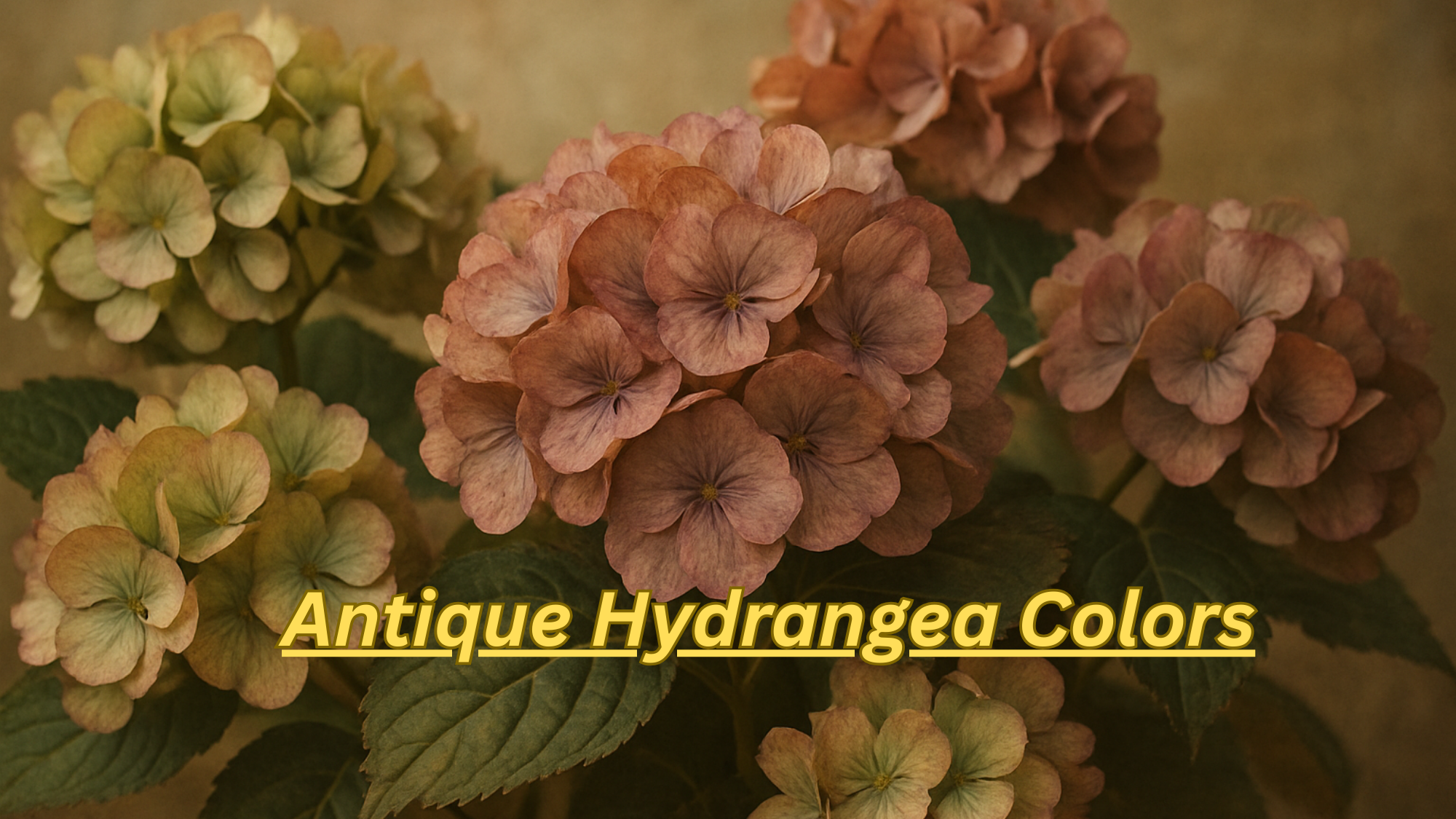
Antique hydrangea colors refer to the soft, faded hues that hydrangea flowers develop as they age—typically shifting from bright blue, pink, or white into muted greens, dusky purples, smoky pinks, and silvery blues. Unlike freshly blooming hydrangeas, antique varieties display a vintage patina, making them highly desirable for floral arrangements, gardens, and décor.
Many gardeners are enchanted by the romantic, old-world charm they bring, especially when mixed into English cottage gardens, rustic weddings, or farmhouse interiors.
A Glimpse Into History
The love affair with antique hydrangea colors dates back centuries. In Victorian England, hydrangeas were prized for their ability to change color with soil pH, symbolizing heartfelt emotions. In Japan, where hydrangeas originate, they represent gratitude and apology.
Over time, gardeners and breeders began to selectively cultivate varieties known for aging beautifully, leading to today’s cherished antique hydrangeas. According to horticulturist Dr. Amy Highland, “Antique hydrangeas hold a unique place in garden history. Their ability to change and deepen in tone over time adds a living, evolving artwork to the landscape.”
The Science Behind the Color Change
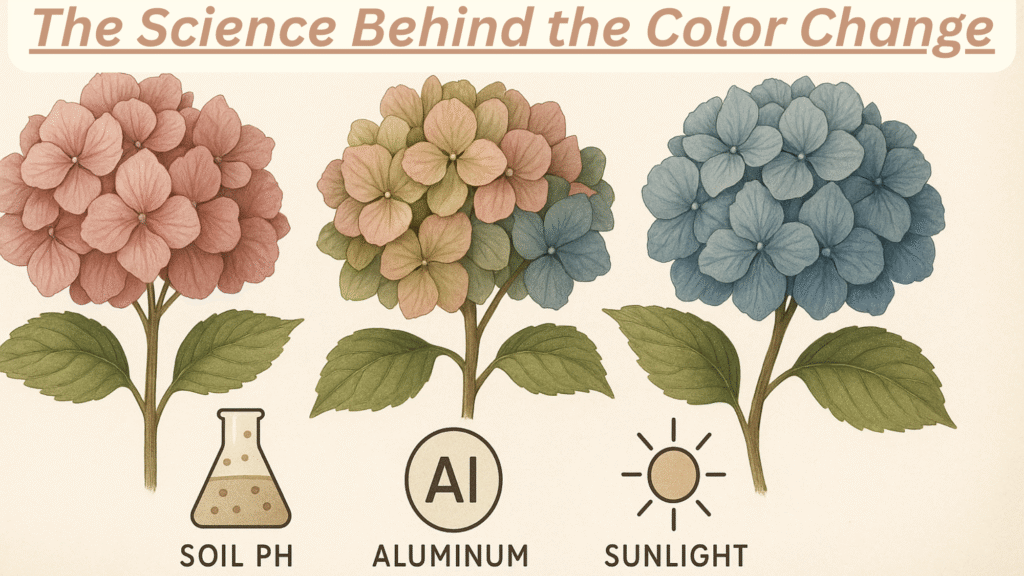
What causes the transformation from bright to antique hues?
- Soil pH: If your soil is more acidic (pH 5–6), your hydrangeas will turn blue. If your soil is more alkaline (pH 7–8), they’ll turn pink.
- Aging Process: As blooms mature, pigments like anthocyanins break down, resulting in dusty greens, purples, and silvers.
- Sunlight and Temperature: Cooler nights and some shade during the day help bring out deeper, richer antique colors in the flowers.
This transformation isn’t just beautiful—it’s nature’s chemistry at work, making your garden feel like a dynamic canvas.
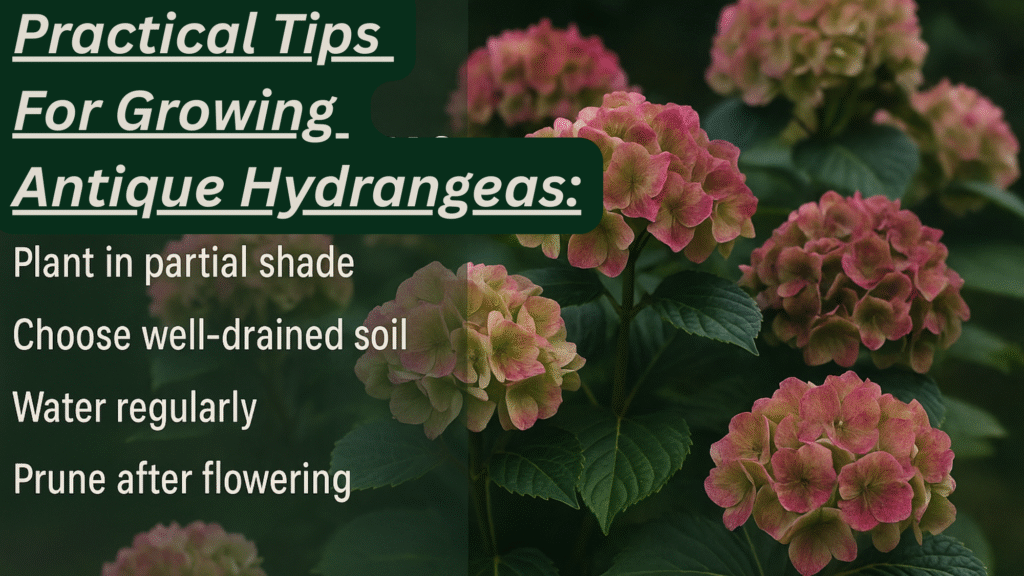
Practical Tips for Growing Antique Hydrangeas
Choose the Right Variety
Look for cultivars known for their antique shades:
- Hydrangea macrophylla ‘Endless Summer’
- Hydrangea paniculata ‘Limelight’
- Hydrangea macrophylla ‘Nikko Blue’ (aged blooms)
Mind Your Soil
Adjust soil pH for your desired starting color:
- Add aluminum sulfate for blues.
- Add garden lime for pinks.
Over time, blooms will naturally antique as they age on the plant.
Embrace the Aging Process
- Don’t deadhead too early. Let blooms mature on the shrub.
- Reduce fertilizer in late summer. This helps blooms age gracefully.
- Prune wisely. Avoid heavy pruning on old-wood bloomers to preserve next season’s flowers.
Use in Design
- Garden: Plant antique hydrangeas alongside roses, foxgloves, and peonies for a beautiful, timeless look.
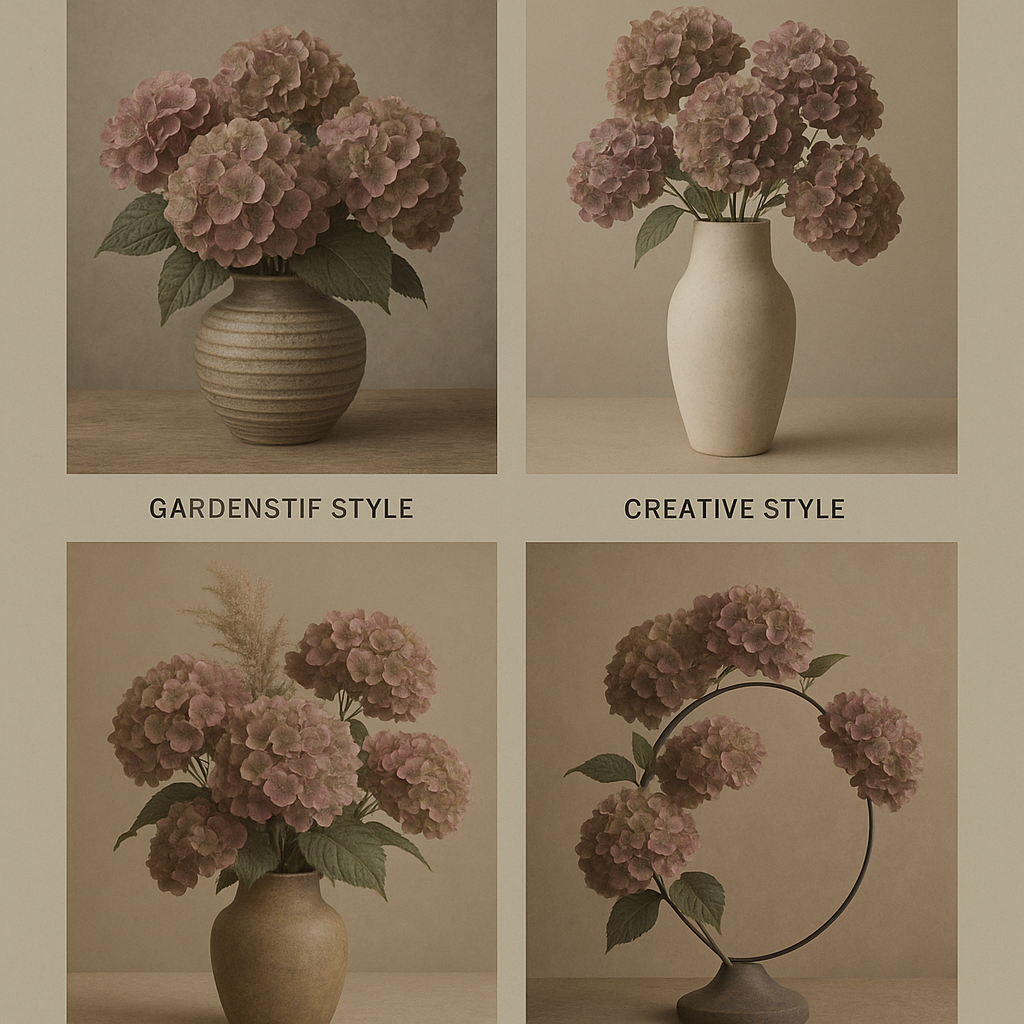
- Indoors: Dry aged blooms for long-lasting arrangements.
- Events: Feature them in vintage wedding bouquets.
Expert Insights and Real-Life Inspiration
Floral designer Emily Thompson says, “Antique hydrangeas have a richness that fresh blooms can’t replicate. They bring softness and history into every arrangement.”
For example, gardener Sarah Langley transformed her Connecticut backyard into an antique hydrangea haven. She shares, “I used to clip my hydrangeas too early, missing the magic. Now, I let them fade on the shrub, and every fall, my garden feels like stepping into an Impressionist painting.”
Counterarguments and Alternatives
Are antique hydrangeas right for every gardener?
- Pros: Timeless beauty, versatile in design, low-maintenance once established.
- Cons: Not as vibrant as fresh colors; some gardeners prefer punchier tones.
- Alternative Options: Consider pairing antique hydrangeas with bold-colored perennials for contrast, or explore faux antique hydrangeas for low-maintenance décor.
Acknowledging these trade-offs helps you make the best choice for your garden’s style and needs.
Future Trends in Antique Hydrangeas
Antique hydrangea colors are experiencing a resurgence:
- Weddings: Couples are favoring muted, vintage tones over bright flowers.
- Home décor: Dried antique hydrangeas are trending in farmhouse and boho interiors.
- Gardens: Designers predict more sustainable, perennial-heavy gardens with an emphasis on natural aging and antique hues.
According to a 2024 garden trend report by Garden Media Group, “Soft, weathered florals like antique hydrangeas are defining the new luxury in outdoor spaces.”
You can also read about: Why Mini Green Hydrangea Is The Trend Your Garden Needs
🌿 Final Thoughts
Antique hydrangea colors offer timeless charm and natural elegance that few other plants can match. By understanding their history, the science behind their hues, and practical care techniques, you can create a garden that’s both stunning and soulful.
Whether you’re aiming for a vintage-inspired landscape or simply want to bring a touch of aged beauty indoors, antique hydrangeas are the perfect companion.
Ready to transform your garden? Embrace these proven secrets—and let your hydrangeas tell their own beautiful, fading story.
FAQs About Antique Hydrangea Colors
1. How do I make my hydrangeas turn antique colors?
Let the blooms mature on the plant, reduce fertilizer in late summer, and ensure they get partial sun.
2. Can I dry antique hydrangea blooms for arrangements?
Yes! Cut them when they feel papery, then hang upside down in a dry, dark spot.
3. What hydrangea varieties age into antique colors?
Endless Summer,’ ‘Limelight,’ and ‘Nikko Blue’ are great options.
4. Does soil pH affect antique hydrangea colors?
Yes—pH controls the initial color, but aging naturally shifts blooms to antique shades.
5. Are antique hydrangeas harder to care for?
Not at all! They require the same care as standard hydrangeas, with an emphasis on letting blooms age on the shrub.
Related SEO Keywords
antique hydrangea varieties, antique hydrangea care, dried antique hydrangeas, vintage hydrangea flowers, hydrangea color change, old-fashioned hydrangea blooms, antique blue hydrangea, antique pink hydrangea, faded hydrangea colors, rustic hydrangea garden