INTRODUCTION:
Hydrangeas are the crown jewels of any garden. Their lush foliage and extravagant blooms captivate gardeners and flower enthusiasts alike. But buying the perfect hydrangea plant isn’t as simple as picking one off a nursery shelf. The right choices, timing, and care can make all the difference between a plant that thrives and one that struggles. If you’re looking to buy hydrangea plant successfully and enjoy breathtaking blooms year after year, this guide reveals the secrets seasoned gardeners don’t always share.
Why Choosing the Right Hydrangea Matters
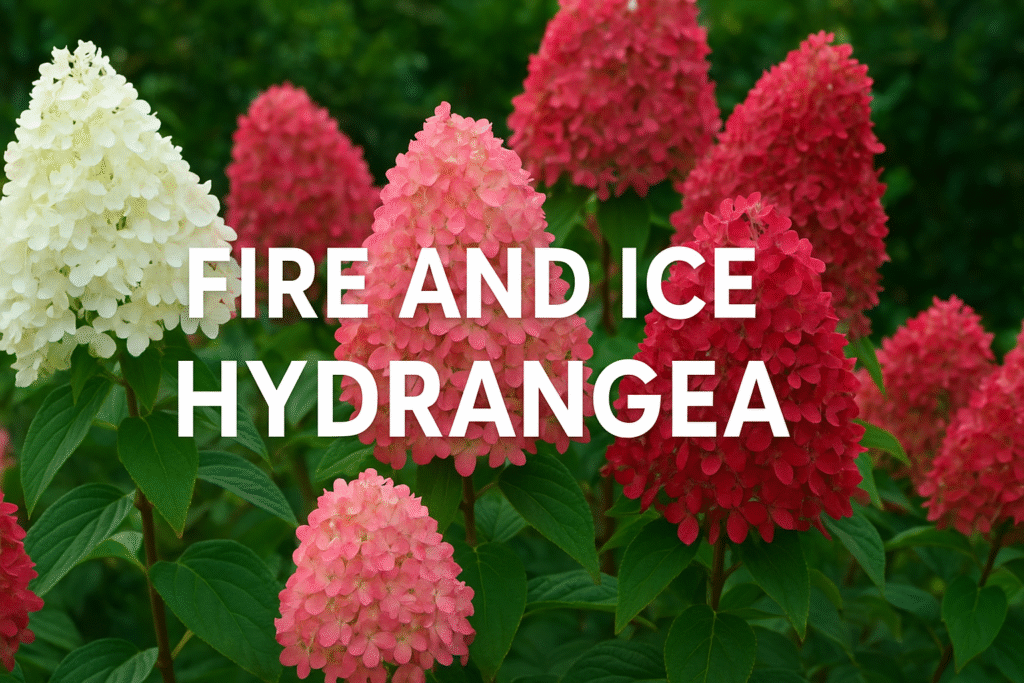
Hydrangeas come in various species and varieties, each with unique characteristics. From Bigleaf hydrangeas with their vibrant blue or pink blooms to Panicle hydrangeas with cone-shaped flowers, your selection directly impacts the aesthetics and health of your garden.
One of the most overlooked secrets? Matching the plant to your environment. Soil type, sunlight exposure, and local climate play critical roles in a hydrangea’s survival. A hydrangea purchased without considering these factors may appear healthy initially but can fail to thrive in the long term.
“A hydrangea isn’t just a plant; it’s a commitment to understanding your garden and choosing what will flourish within it.” — Dr. Emily Larson, horticulturalist
Timing is Everything: When to Buy Hydrangea Plant
Seasonality significantly affects your hydrangea’s success. Nurseries often stock the most robust plants in early spring and late summer, which allows roots to establish before harsh weather conditions arrive.
Pro tip: Avoid buying hydrangeas in peak bloom season if your goal is longevity. Flowers may look impressive in the store, but the plant may be stressed from forced blooming, which reduces survival chances after transplantation.
Selecting Healthy Hydrangeas: What to Look For
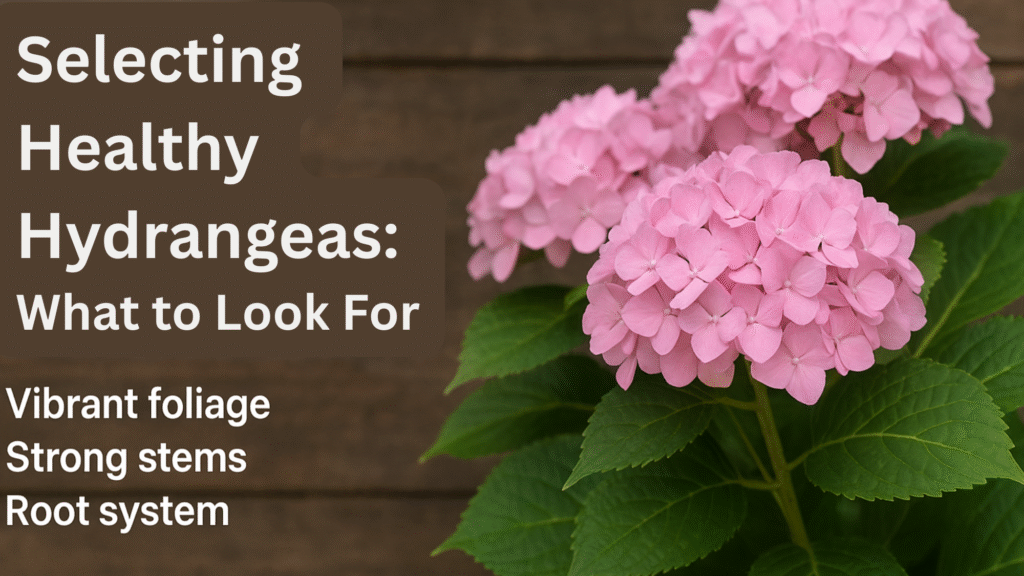
When choosing a plant, check for:
-
Vibrant foliage: Leaves should be rich in color without brown edges or spots.
-
Strong stems: They should support blooms without bending or breaking.
-
Root system: A healthy root ball is firm and moist—not dry or overly soggy.
-
Bud formation: Even if not in bloom, look for small, plump buds indicating future flowers.
A personal experience: I once bought a hydrangea solely based on its stunning pink blooms. Within weeks, the leaves started yellowing because I overlooked root health—a costly mistake that taught me the importance of examining the whole plant, not just flowers.
Soil, Sunlight, and Placement: Secrets Most Gardeners Miss
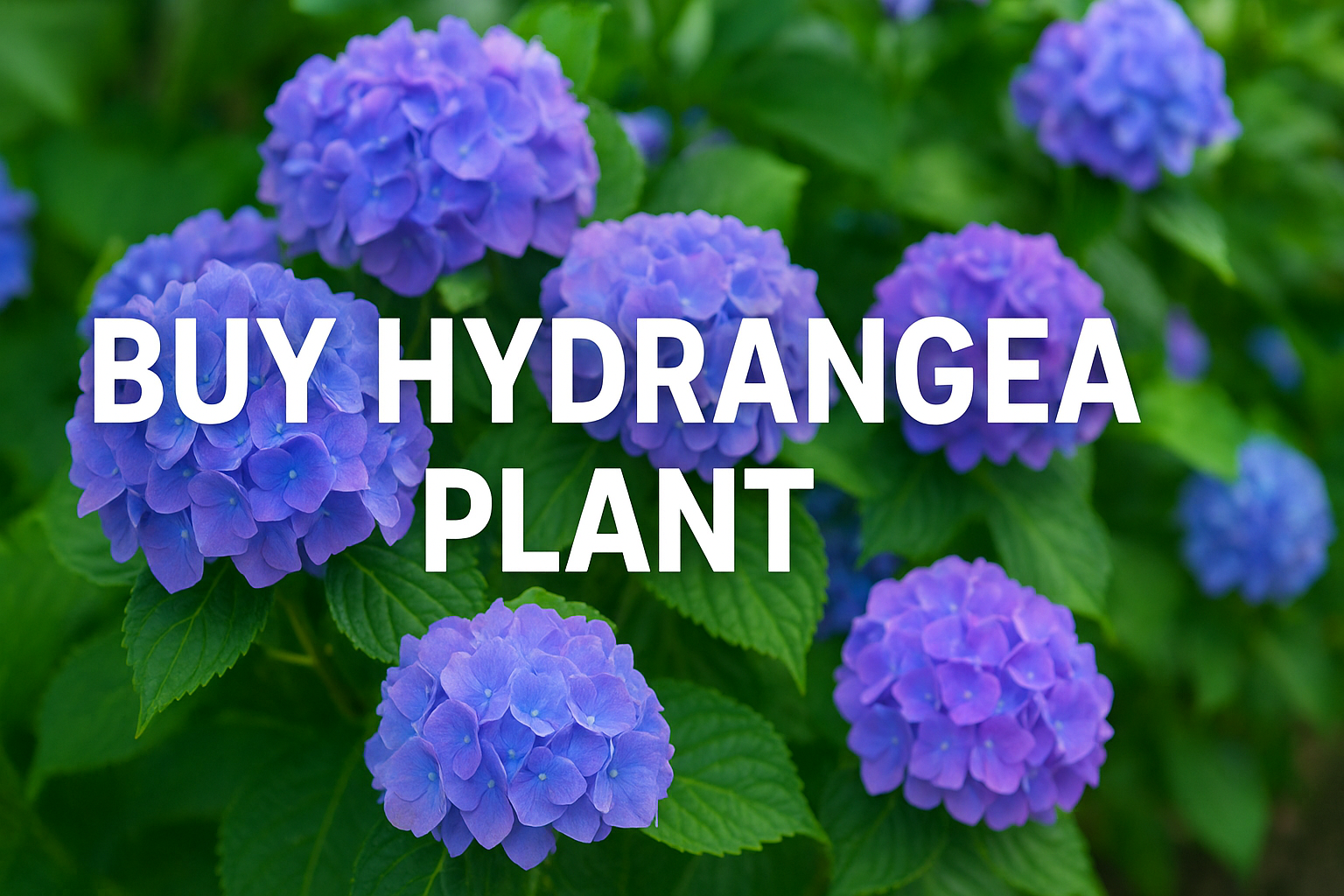
Hydrangeas thrive in well-drained soil enriched with organic matter. Some species prefer acidic soils, which can also affect bloom color (e.g., blue blooms in acidic conditions).
Sunlight matters:
-
Morning sun with afternoon shade is ideal for most hydrangeas.
-
Too much sun can scorch leaves; too little may reduce bloom intensity.
Placement is equally important. Consider wind protection, spacing for airflow, and proximity to water sources. Proper environmental conditions increase the chances of your hydrangea producing vibrant, long-lasting blooms.
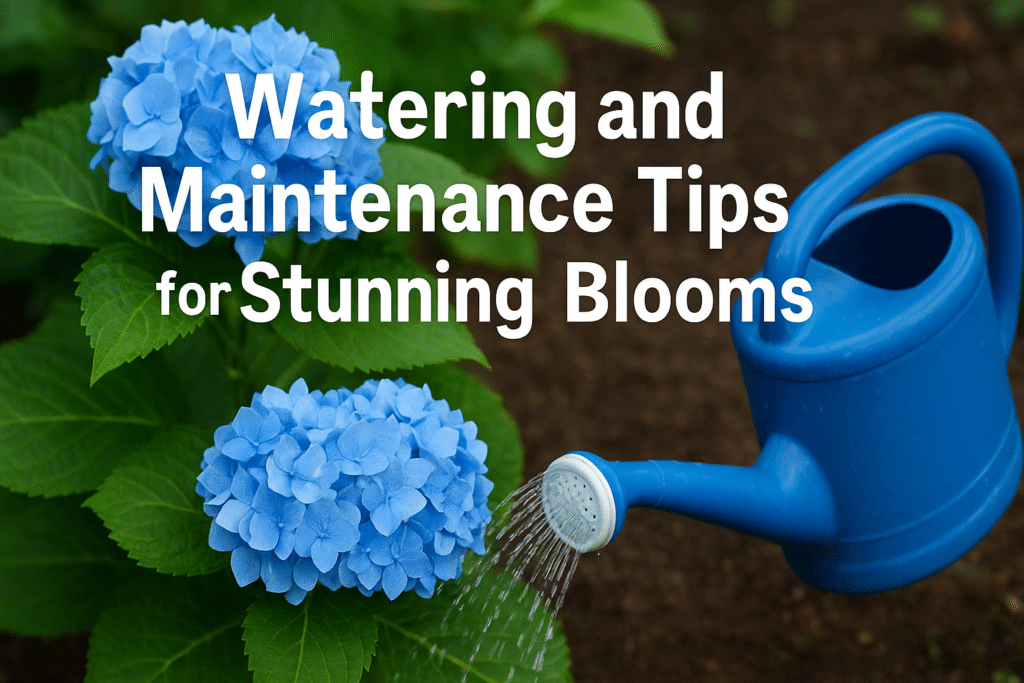
Watering and Maintenance Tips for Stunning Blooms
A secret many newcomers overlook is consistent hydration. Hydrangeas are thirsty plants, but overwatering can lead to root rot. The best approach is:
-
Water deeply once or twice a week rather than frequent shallow watering.
-
Mulch around the base to retain moisture and regulate soil temperature.
-
Fertilize with a balanced, slow-release fertilizer in early spring and again in midsummer.
Additionally, regular pruning—done at the right time for your hydrangea species—ensures healthy growth and encourages more prolific blooming.
Buying Online vs. Local Nurseries: Pros and Cons
Local Nurseries
-
Pros: You can inspect plant health, ask for expert advice, and often get regionally suitable varieties.
-
Cons: Limited variety compared to online suppliers.
Online Stores
-
Pros: Access to rare or exotic hydrangea varieties, convenience of delivery.
-
Cons: Risk of receiving stressed or damaged plants, potential shipping delays.
A hybrid approach works best: explore online options for variety, but consider inspecting and buying from local nurseries when possible.
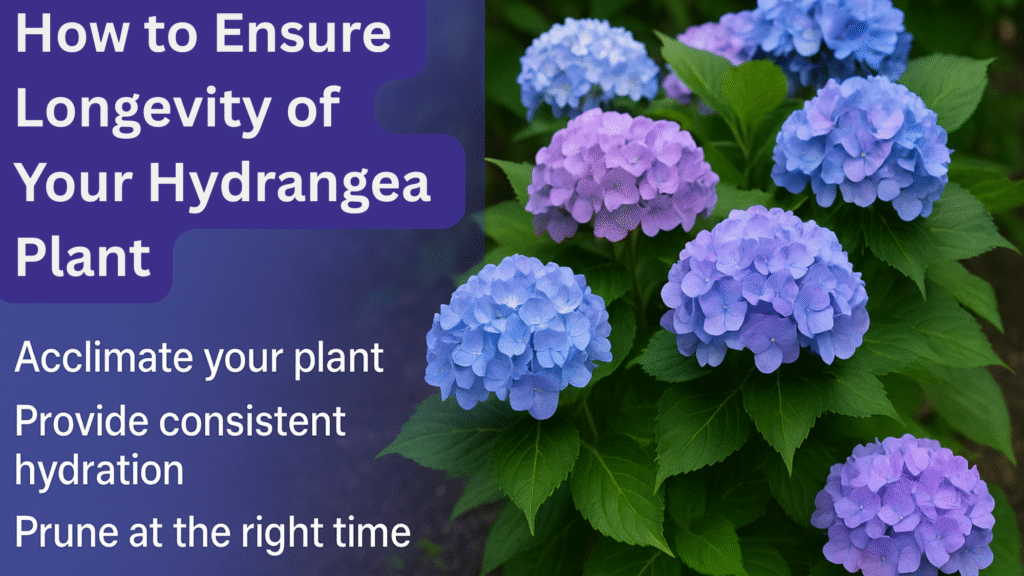
How to Ensure Longevity of Your Hydrangea Plant
Even the healthiest hydrangea can fail if post-purchase care is neglected. Key practices include:
-
Acclimate your plant: Gradually expose it to outdoor conditions if purchased from a greenhouse.
-
Monitor for pests: Aphids, spider mites, and fungal infections can quickly damage your plant.
-
Regular soil testing: Ensure pH and nutrient levels are optimal for your hydrangea variety.
-
Protect from harsh weather: Use frost cloths or temporary shelters during extreme temperatures.
By following these steps, your investment in a hydrangea plant becomes a long-term reward rather than a fleeting purchase.
Expert Advice and Real-Life Success Stories
Gardener Jane Miller shares her experience:
“I used to buy hydrangeas every spring and lose half of them. After learning to choose healthy plants and matching them to my soil type, my blooms doubled in size and lasted longer.”
Expert horticulturists also emphasize paying attention to microclimates—the subtle differences in sunlight, wind, and moisture within your own garden. Even a few feet can affect hydrangea performance.
Conclusion: Transform Your Garden with the Right Hydrangea
Buying a hydrangea plant is more than just a transaction—it’s an investment in your garden’s beauty and longevity. By selecting the right species, checking plant health, considering soil and sunlight, and practicing careful maintenance, you can enjoy stunning, vibrant blooms year after year.
The secrets are simple, yet powerful: choose wisely, nurture consistently, and observe patiently. Your garden—and your hydrangeas—will thank you.
You can also read about: 👉 Shocking Secrets About Hydrangea Quercifolia Munchkin
FAQs About Buying Hydrangea Plant
1. What should I look for when I buy hydrangea plant?
Look for vibrant leaves, strong stems, healthy roots, and plump buds. These indicate a plant with long-term growth potential.
2. Is it better to buy hydrangea plant online or locally?
Local nurseries offer immediate inspection and expert advice; online stores provide rare varieties. Combining both approaches often yields the best results.
3. When is the best time to buy hydrangea plant?
Early spring and late summer are ideal. Avoid peak bloom season to reduce transplant shock.
4. How do I ensure my hydrangea plant thrives after purchase?
Acclimate it gradually, water deeply, mulch, monitor for pests, and ensure proper sunlight and soil conditions.
5. Can soil type affect the bloom color of my hydrangea plant?
Yes. For example, Bigleaf hydrangeas produce blue flowers in acidic soil and pink in alkaline soil. Testing and adjusting soil pH can help achieve desired colors.